


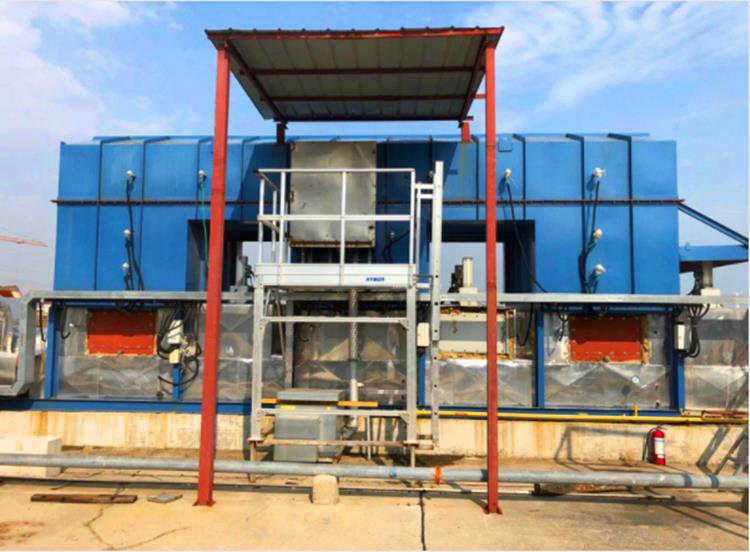
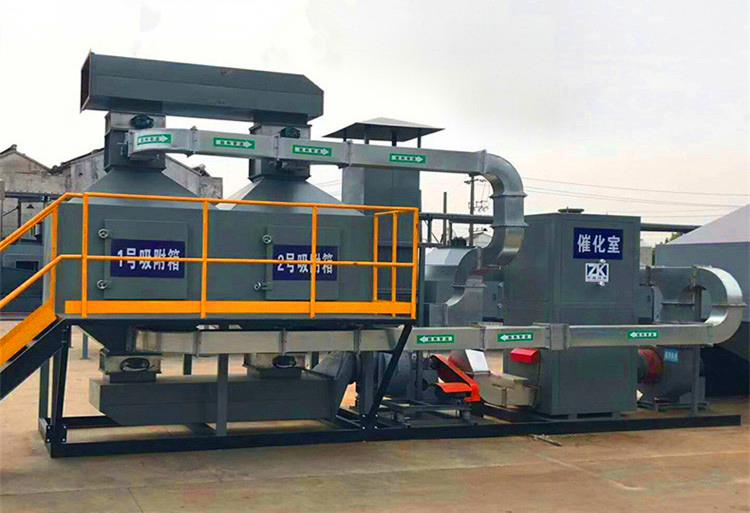
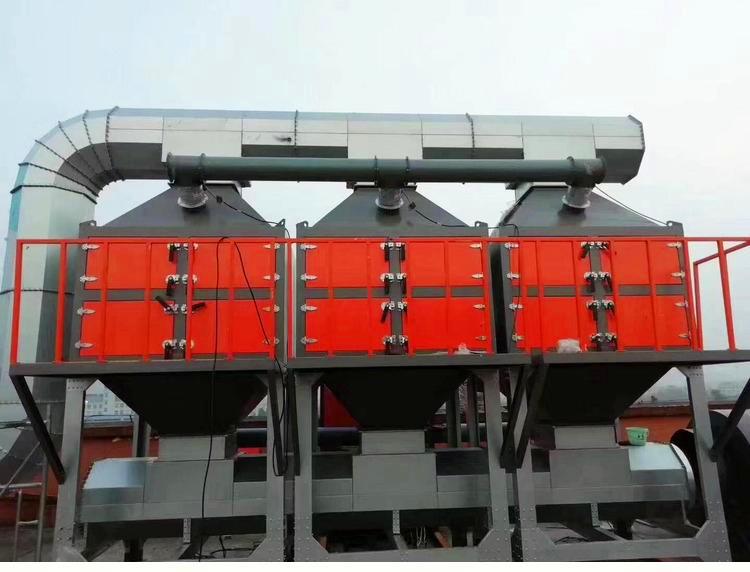
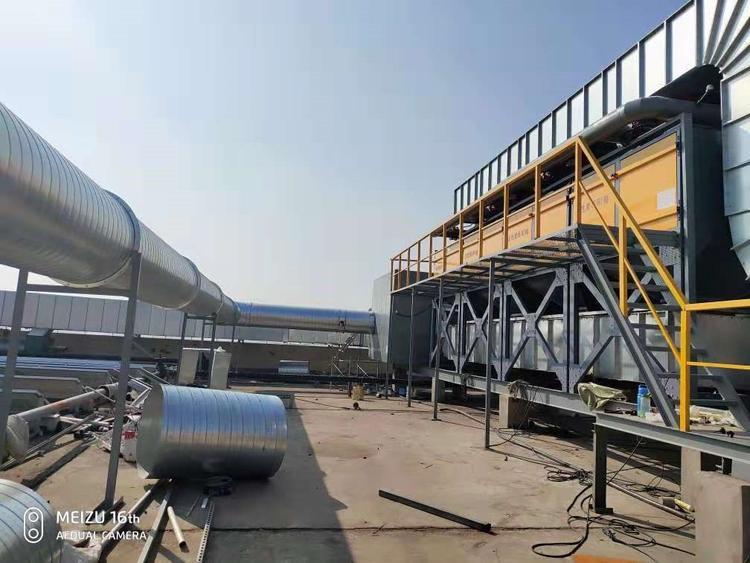
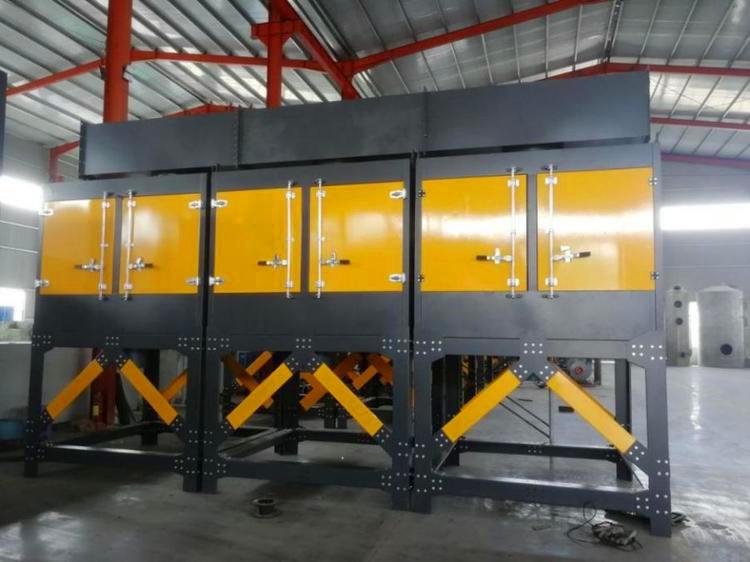
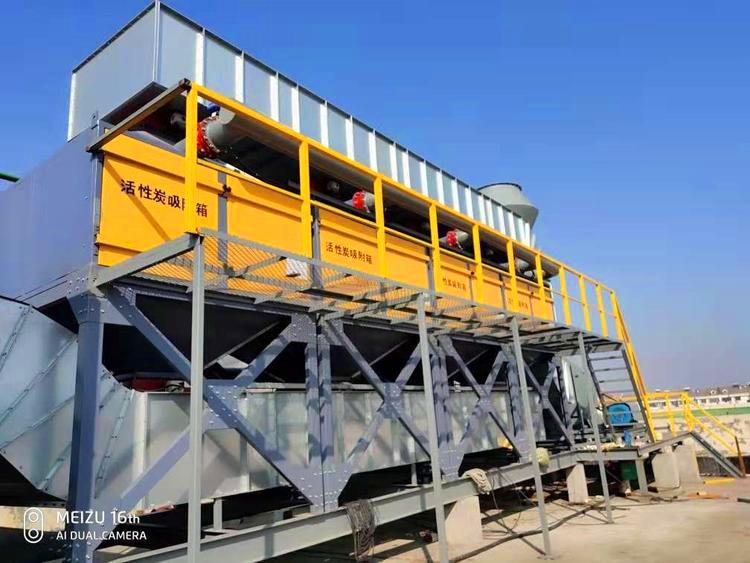
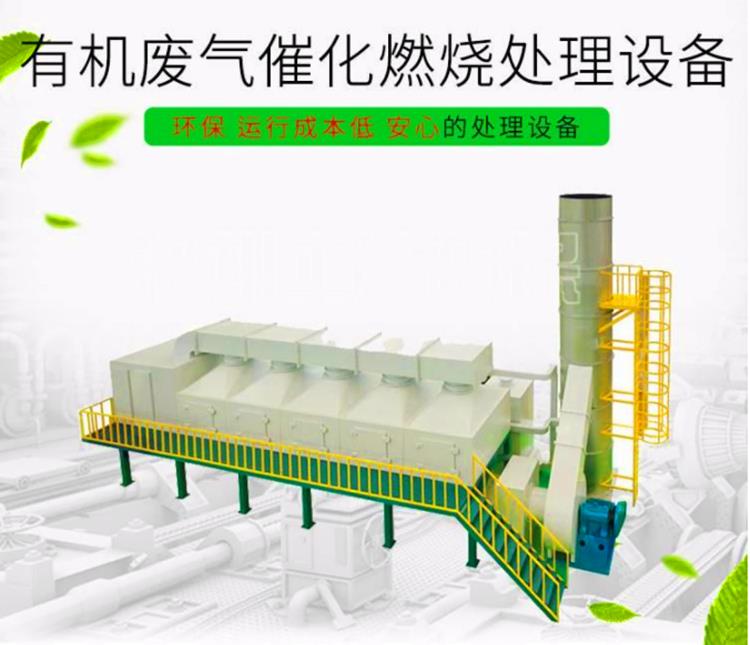
Structural characteristics of RCO catalytic combustion
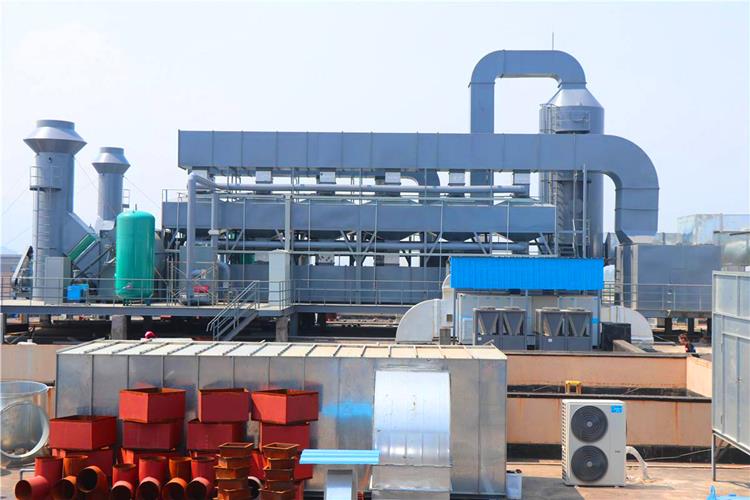
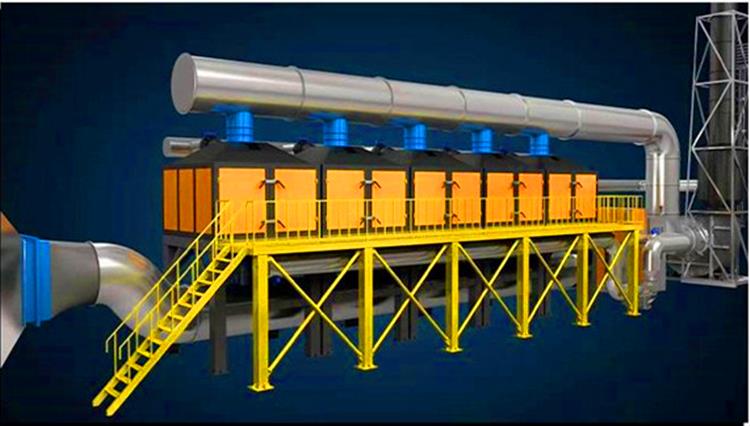
1. Easy to operate: The device can achieve automatic control during operation.
2. Low energy consumption: The equipment only needs 15-30 minutes to heat up to the ignition temperature (when the concentration of organic waste gas is high), and the energy consumption is only the fan power.
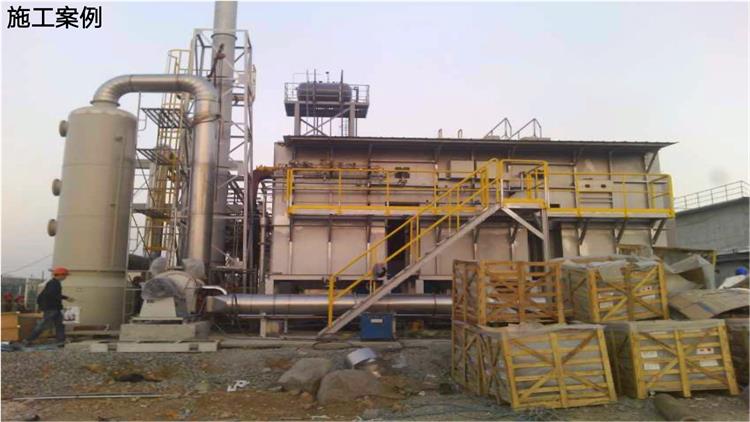
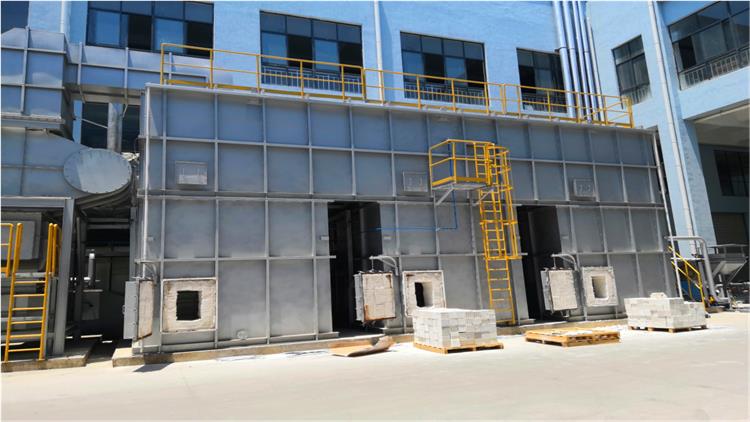
3. Reliable: The equipment is equipped with a fire suppression system, explosion-proof pressure relief system, over temperature alarm system, and advanced self-control system.
4. Low resistance and high purification efficiency: using advanced honeycomb ceramic carrier catalysts impregnated with precious metals palladium and platinum, with a large specific surface area.
5. Waste heat can be reused: Waste heat can be returned to the drying oven, reducing the power consumption in the original drying oven; It can also be used as a heat source in other aspects.
6. Small footprint: only 70% -80% of similar products in the same industry, and there are no special requirements for equipment foundation
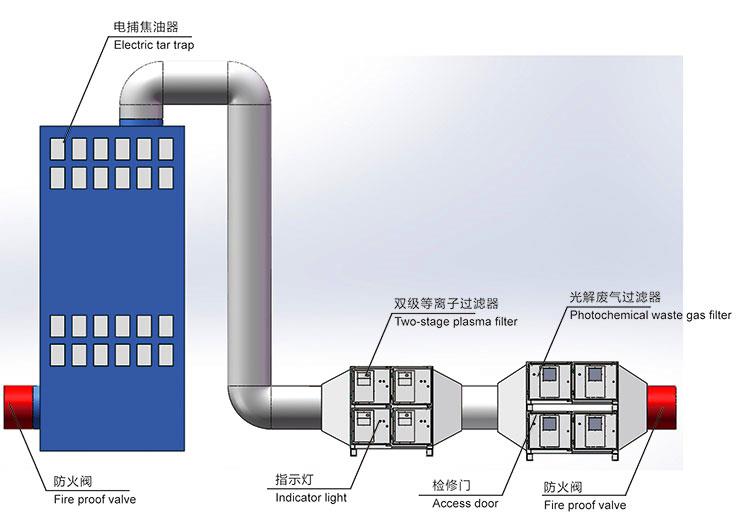
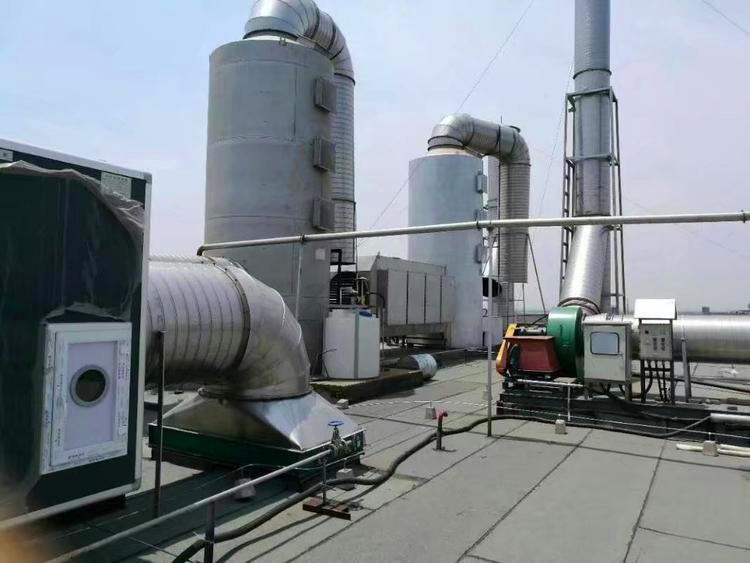
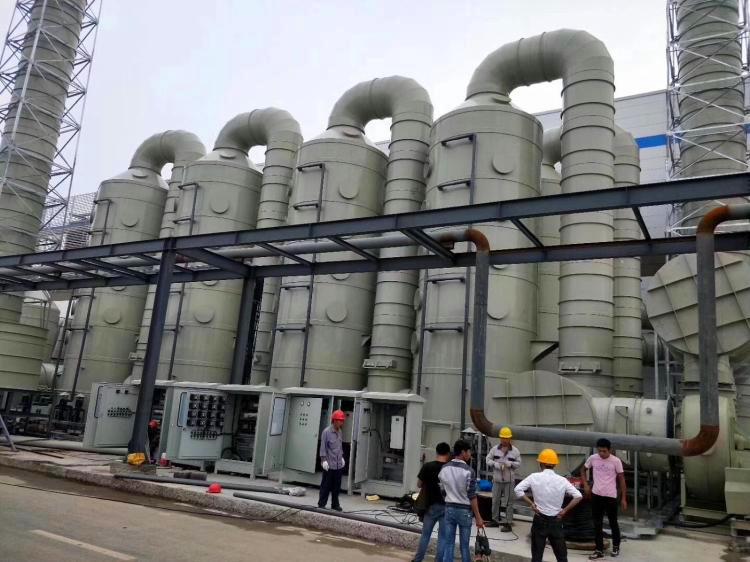
Using a specially designed high-energy beam to irradiate odorous gases, cracking odorous gases such as ammonia, hydrogen sulfide, hydrogen sulfide, methyl mercaptan, methyl sulfide, carbon disulfide, and styrene, sulfides H2S, VOCs, and the molecular chain structure of benzene, organic or inorganic high molecular weight odorous compounds are degraded and transformed into low molecular weight compounds such as CO2, H2O, etc. under high-energy ultraviolet beam irradiation. The Qiaoda photocatalytic exhaust gas treatment equipment has a capacity of 10000m3/h, and the photocatalytic oxygen purifier is made of stainless steel material for deodorization and odor purification
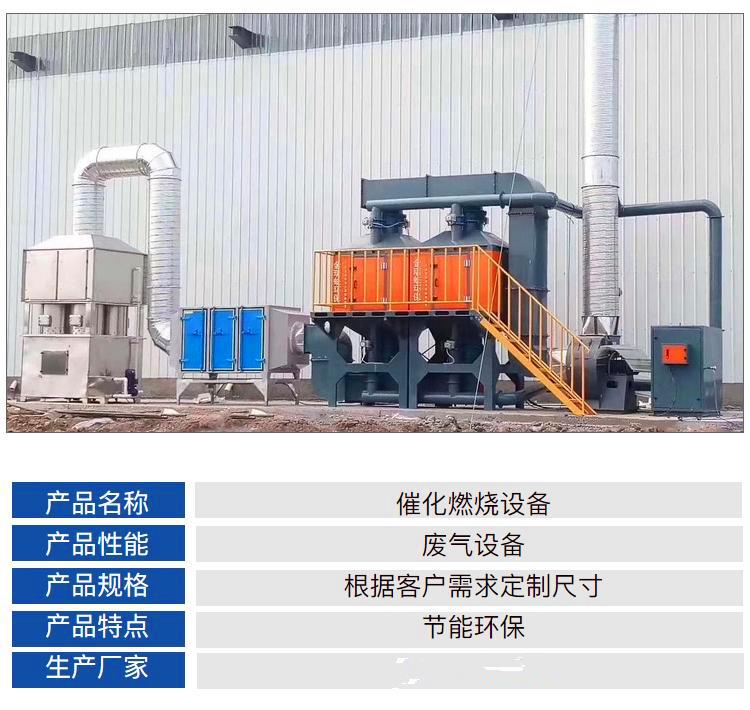
Catalytic combustion is a purification method that uses catalysts to oxidize and decompose combustible substances in exhaust gas at lower temperatures. So, catalytic combustion is also known as catalytic chemical conversion. Due to the acceleration of the oxidation decomposition process by the catalyst, most hydrocarbons can be completely oxidized by the catalyst at temperatures of 300-450 ℃.
Compared with the thermal combustion method, catalytic combustion requires less auxiliary fuel, consumes less energy, and has smaller equipment and facilities. However, the promotion and application of this method in industrial production processes have been affected by issues such as catalyst poisoning, replacement of catalytic beds, and high cleaning costs.





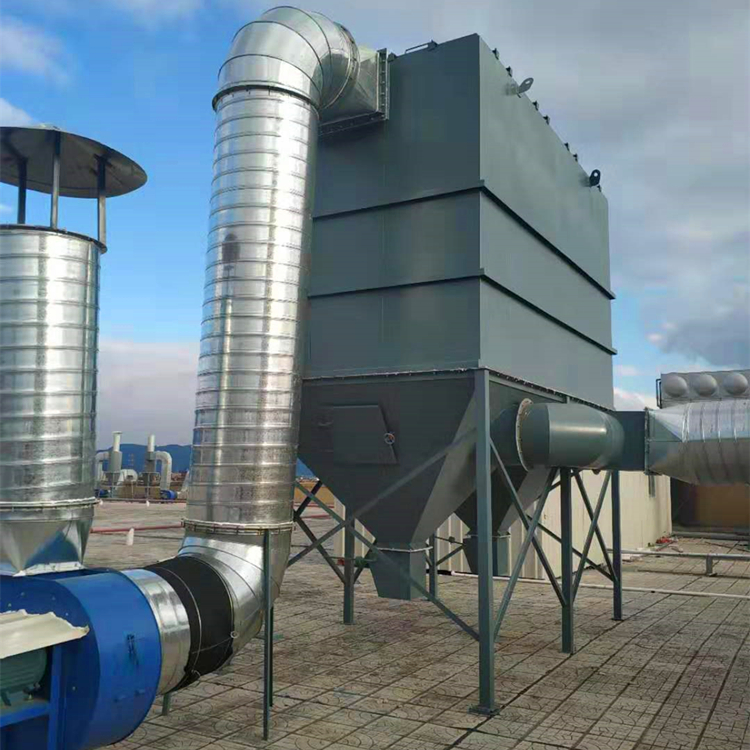 Manufacturer supplies bag filter equipment materials Quanzhou bag filter equipment
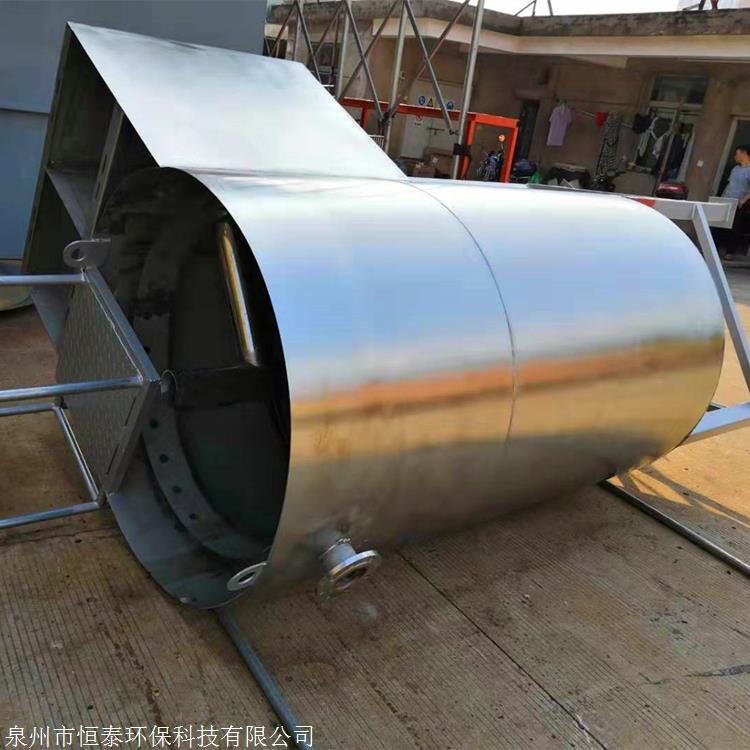 Manufacturer supplies cement plant dust collector varieties, Quanzhou bag dust removal equipment
 Manufacturer supplies water curtain vacuum cleaner, orders Quanzhou bag dust removal equipment
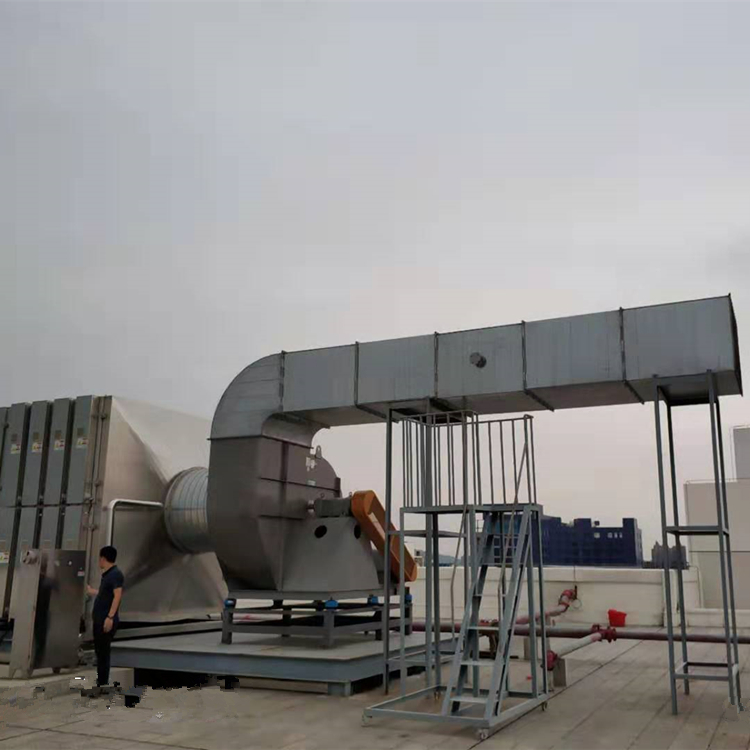 VOCs waste gas treatment conversion Xiamen catalytic combustion
Replacing Xiamen catalytic combustion with VOCs exhaust gas treatment
VOCs waste gas treatment conversion Xiamen catalytic combustion
Replacing Xiamen catalytic combustion with VOCs exhaust gas treatment
 VOCs exhaust gas treatment airflow Xiamen catalytic combustion

-陈晓东 18959803596