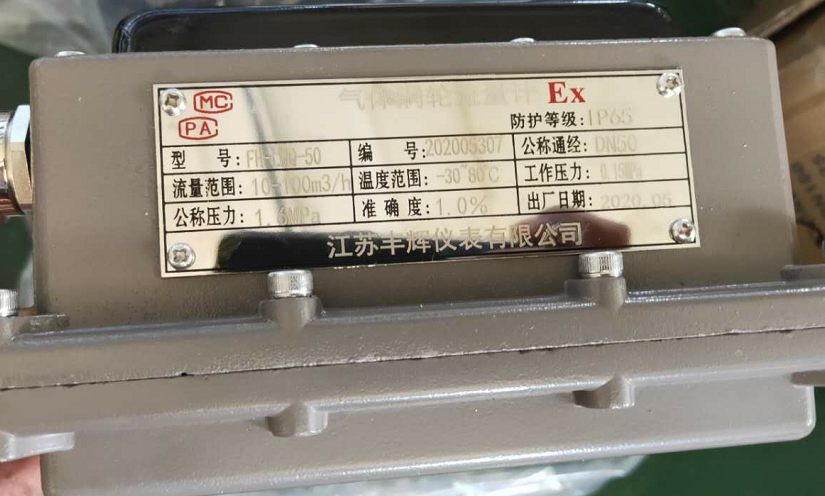
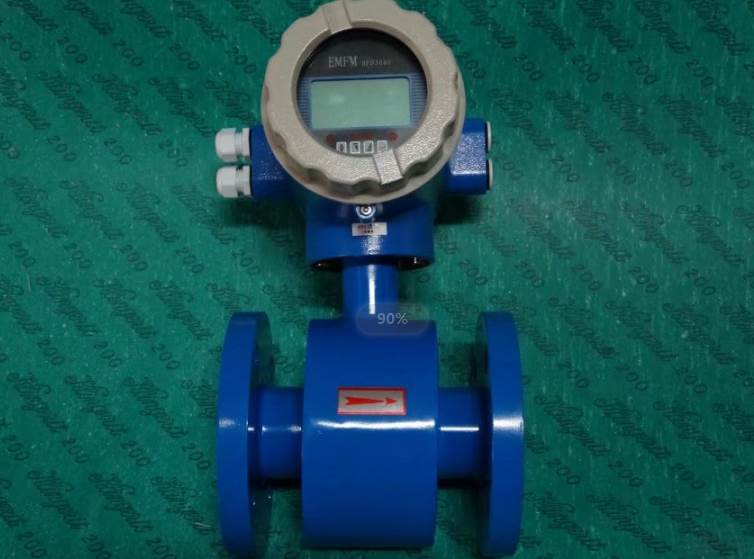
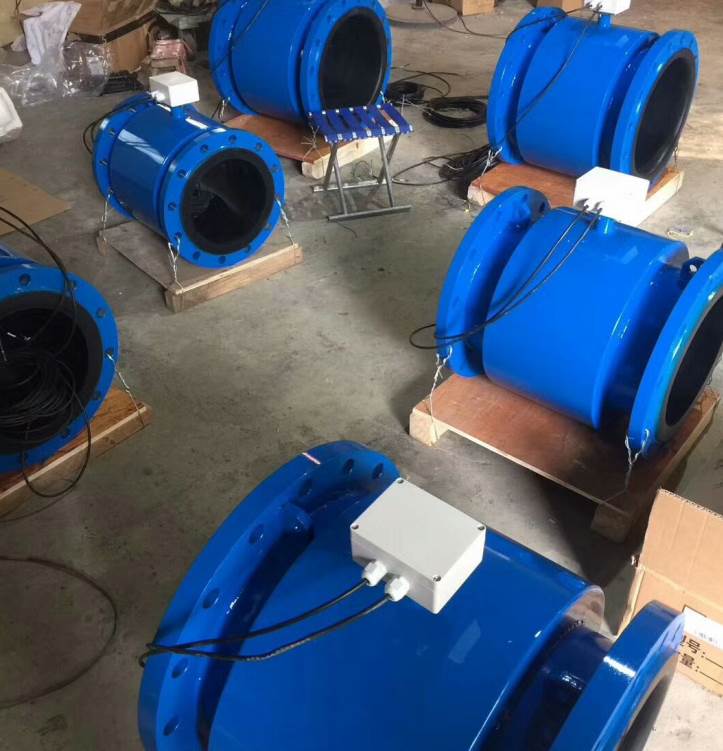
The measurement principle of this product is Faraday's law of electromagnetic induction. The main components of the sensor are: measuring tube, electrode, excitation coil, iron core, and magnetic yoke housing.
1、 Characteristics:
Small size, light weight, easy installation, and low maintenance;
Wide measurement range, unaffected by changes in fluid temperature, density, pressure, viscosity, conductivity, etc;
It can be installed by drilling holes on old pipelines, with simple construction and installation, and a small amount of work;
Compared to general electromagnetic flow meters, it has lower costs and installation expenses, making it particularly suitable for measuring flow in large and medium-sized pipelines;
Adopting advanced processing technology, solid-state packaging, long service life, and ensuring good measurement accuracy and stability of the instrument;
Simple structure, sturdy and reliable, long service life (and suitable for measuring seawater);
There are no moving parts or resistance parts inside the measuring tube, no pressure loss, and no blockage will occur;
Reliable measurement and strong anti-interference ability.
2、 Technical parameters:
Nominal diameter (mm) (special specifications can be customized)
Pipeline type PTFE lining: DN10~DN600
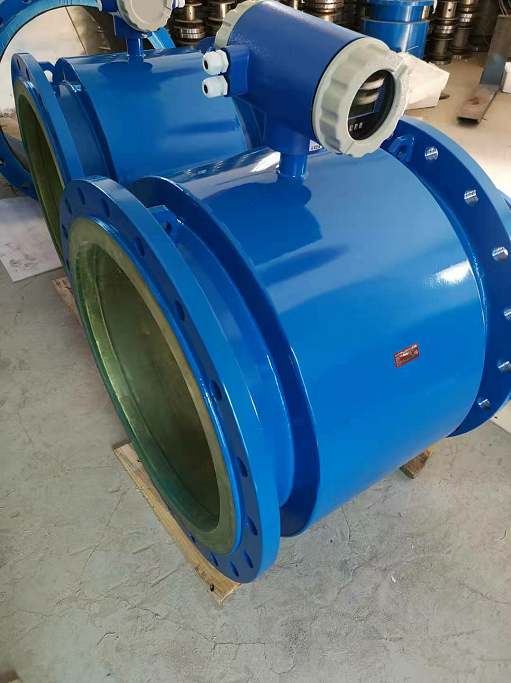
Pipeline rubber lining: DN40~DN2200
Flow direction: positive, negative, net flow
Range ratio: 150:1
Repetitive error: ± 0.1% of the measured value
Accuracy level: Pipeline type: 0.5 level, 1.0 level
Temperature of the tested medium: ordinary rubber lining: -20 to+60 ℃; High temperature rubber lining: -20 to+90 ℃
PTFE lining: -30 to+100 ℃; High temperature PTFE lining: -20 to+180 ℃
Rated working pressure: (high pressure can be customized) DN10- DN150: ≤ 1.6MPa; DN200-DN350:≤1.0MPa
DN400-DN1000:≤0.6MPa; DN450-DN2200:≤0.25MPa
Flow velocity range: 0.1-15m/s
Conductivity range: The conductivity of the measured fluid is ≥ 5 μ s/cm
Signal output: 4-20mA (load resistance 0-750 Ω), pulse/frequency, control level
Communication output: RS485, MODBUS protocol, HART protocol
Power supply: AC220V or DC24V
Requirement for straight pipe length: upstream ≥ 5DN, downstream ≥ 2DN
3、 Selection:
1. The accuracy level and function of the instrument are selected based on measurement requirements and usage scenarios to achieve cost-effectiveness. For example, in situations such as trade settlement, product handover, and energy measurement, higher accuracy levels such as 1.0, 0.5, or higher should be selected; For process control applications, choose different accuracy levels according to control requirements; In some cases where only the process flow rate needs to be detected without precise control and measurement, a slightly lower accuracy level can be chosen, such as 1.5, 2.5, or even 4.0,.
2. When measuring medium flow rate, instrument range, and caliber, the full flow rate of the flowmeter can be selected within the range of 0.5-12m/s for measuring medium flow rate, which is relatively wide. The selection of instrument specifications (caliber) may not necessarily be the same as the process pipeline, and should be determined based on whether the measured flow range is within the flow rate range. That is, when the pipeline flow rate is too low to meet the requirements of the flow instrument or the measurement accuracy cannot be guaranteed at this flow rate, the instrument port diameter needs to be reduced to increase the flow rate inside the pipeline and obtain satisfactory measurement results.
3. Try to avoid ferromagnetic objects and equipment with strong electromagnetic fields as much as possible to prevent the magnetic field from affecting the working magnetic field and flow signal of the sensor.


陈超 18015125918